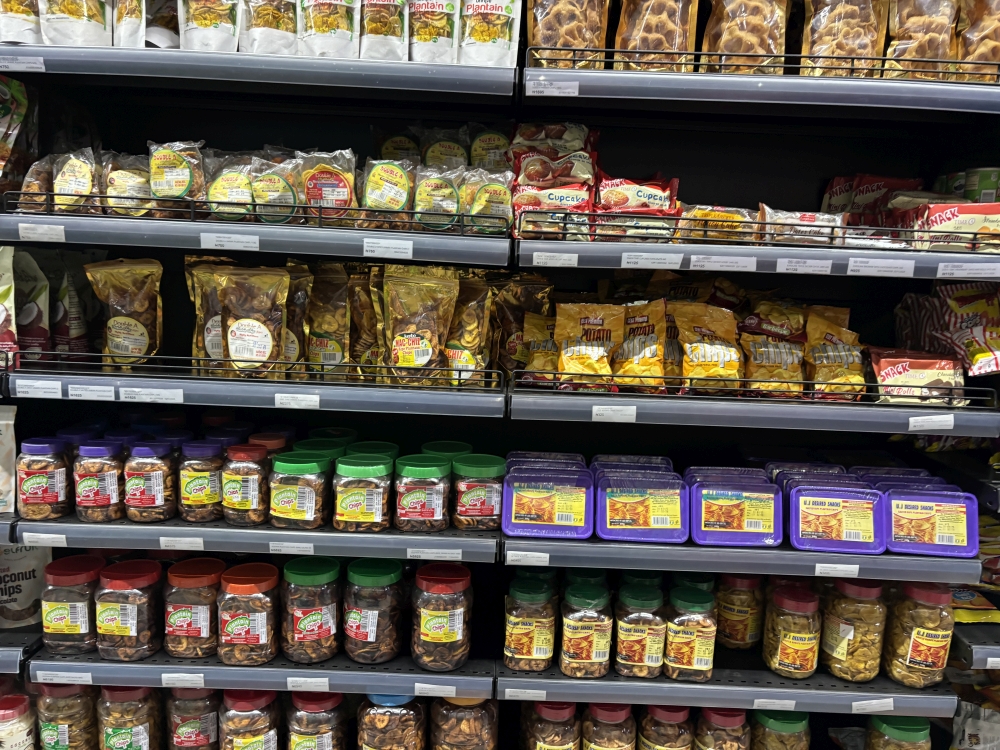
Late payments from supermarkets and distributors have quietly become one of the biggest threats to the survival of small and medium-sized manufacturers across Africa. Many producers deliver goods in good faith, expecting payment in 30 days, only to wait three months, six months, or even a full year – sometimes without receiving anything at all.
For many SMEs, this is not just an inconvenience. It is a business-destroying problem that leads to cashflow crises, stock deterioration, expired products, inability to restock, loss of trust with suppliers, and in many cases, total business collapse.
After working with businesses across Africa, Asia, and global markets for more than 10 years, our team have seen this pattern repeat itself across countries and industries. The good news is that there are proven ways to stop this cycle, protect your money, and rebuild a system where supermarkets and stores respect you, pay you on time, and treat you as a real partner – not a disposable supplier.
The Real Cost of Late Payments for SMEs
Unpaid invoices are not just numbers on a sheet; they affect every part of the business. When a store delays payment, production slows down because working capital is trapped. Staff salaries and operational costs become harder to manage. Inventory cycles break. Suppliers stop giving credit. A brand that is growing quickly can suddenly find itself struggling to survive-not because the product is bad, but because cash was never returned.
Many SME owners shared painful stories: visiting supermarkets to beg for reimbursement, being told to “come back next week,” seeing products expire on shelves while payment is still pending, and discovering later that the store has sold everything but claims nothing was sold.
This creates fear, frustration, and a feeling of powerlessness. But it doesn’t have to continue.
Why This Problem Has Become Worse Recently
The market environment has changed. Supermarkets operate on thin margins and try to protect their own cashflow by holding suppliers’ money as long as possible. High inflation encourages stores to keep cash longer. Importers with stronger bargaining power get prioritized, pushing local SMEs to the bottom of the payment queue.
Additionally, many SMEs enter agreements without written contracts, without clear payment timelines, and without accountability mechanisms. In the absence of structure, supermarkets take advantage – not always intentionally, but because nothing compels them to act differently.
This is why the problem keeps growing.
The Proven Way to Protect Your Money and Stop Late Payments
The most effective approach combines clear agreements, structured supply terms, performance-based incentives, and a system that gives the supermarket no excuse to delay payment.
You cannot rely on trust alone. You need predictable, professional frameworks that respect both sides and reduce risk.
Here is the model that consistently works for local and international manufacturers:
- Move from verbal agreements to written supply contracts.
A simple one-page agreement outlining payment terms, return policies, delivery schedules, penalties for late payments, and price change rules is enough to change the store’s behaviour. Once it is documented and signed, there is a formal commitment. - Use phased supply instead of supplying large volumes at once.
Instead of delivering N3 million worth of goods, break it into smaller batches tied to payment frequency. This reduces your risk and forces the store to pay before receiving more stock. - Only replenish items after previous deliveries have been settled.
This creates natural pressure. When they run out of stock and customers start asking, they pay quickly. - Request part payment upfront.
Even 20–30% drastically reduces your exposure and signals professionalism. - Track sales using a simple digital system.
With tools like barcode tracking, shared Google Sheets, or third-party distribution partners, you can monitor what is selling so the store can’t claim nothing sold. - Work with consolidation partners or distributors where possible.
Distributors enforce payments better because supermarkets know they can’t manipulate them the way they do with individual SMEs. - Include expiration and damage responsibility in writing.
If the supermarket keeps your products too long or stores them poorly, they must share or bear responsibility. This stops the “your goods expired on our shelf” argument.
These steps restructure the relationship, protect your money, and elevate you from “just another supplier” to a serious brand with clear standards.
What Successful SMEs Are Doing Differently
Businesses that get paid on time don’t rely on trust; they rely on systems. They document everything. They follow up regularly. They set timelines. They send monthly statements. They negotiate terms confidently. They control supply volumes. They use data. They treat the supermarket as a partner, not a superior.
Because of this, stores respect them – and pay them faster.
This is not about being confrontational. It is about being professional, consistent, and structured. Once supermarkets know you operate with rules, they treat you seriously.
Common Mistakes SMEs Make (That Supermarkets Exploit)
Many SMEs unintentionally make errors that weaken their position:
-
Delivering goods without written agreements
-
Allowing unlimited credit supply
-
Accepting “payment after sales” with no timelines
-
Neglecting to track product movement
-
Leaving expired products unmonitored until it’s too late
-
Not sending weekly or monthly statement reminders
-
Giving too much stock at once
-
Believing the store will “do the right thing”
Once these mistakes happen, supermarkets know the producer is not structured – and they take advantage, often without realizing the impact.
Expert Insights From 10+ Years Working With Global Supply Chains
Across markets in Africa, Asia, and Europe, one truth is universal: companies that establish strong payment structures thrive, while those that depend on trust struggle.
The most successful brands create:
-
Clear financial agreements
-
Predictable supply cycles
-
Defined credit limits
-
Transparent reporting
-
Periodic account reconciliation
-
Shared responsibility for stock rotation
They don’t wait for problems; they prevent them.
When SMEs apply the same systems – no matter how small the business is – the difference is immediate. Payments speed up. Cashflow stabilizes. Growth becomes predictable. And the supermarket-supplier relationship becomes healthier for everyone.
Final Thoughts
Supermarkets delaying payments is one of the most painful challenges SMEs face today, but it is not impossible to fix. With the right structure, better negotiation strategies, and simple systems, SMEs can protect their money, stop relying on hope, and build supply relationships that are fair and sustainable.
You deserve to be paid on time. Your business, staff, suppliers, and customers depend on it. And with the right approach, you can turn a frustrating situation into one of the strongest areas of control in your business.
Ready to Protect Your Money and Build a Stronger Distribution System?
If you want support creating professional agreements, negotiation templates, or a full supply system that ensures supermarkets pay you on time, you can request a consultation.
Get expert guidance and protect your business today, click here to contact OneStopAdvert.com today.