Nigeria is one of the most discussed markets in Africa – and also one of the most misunderstood.
For decades, international investors and manufacturers have approached Nigeria armed with impressive data: population size, consumption forecasts, GDP charts, and regional influence. Yet many of these same companies quietly stall after entry. Warehouses fill, distributors go silent, margins shrink, and momentum fades.
The problem is rarely the product.
It is almost always market access execution.
This article is written from lived, repeated experience – working with companies that succeeded, those that struggled, and those that failed – to help you understand Nigeria as an operating market, not a headline opportunity.
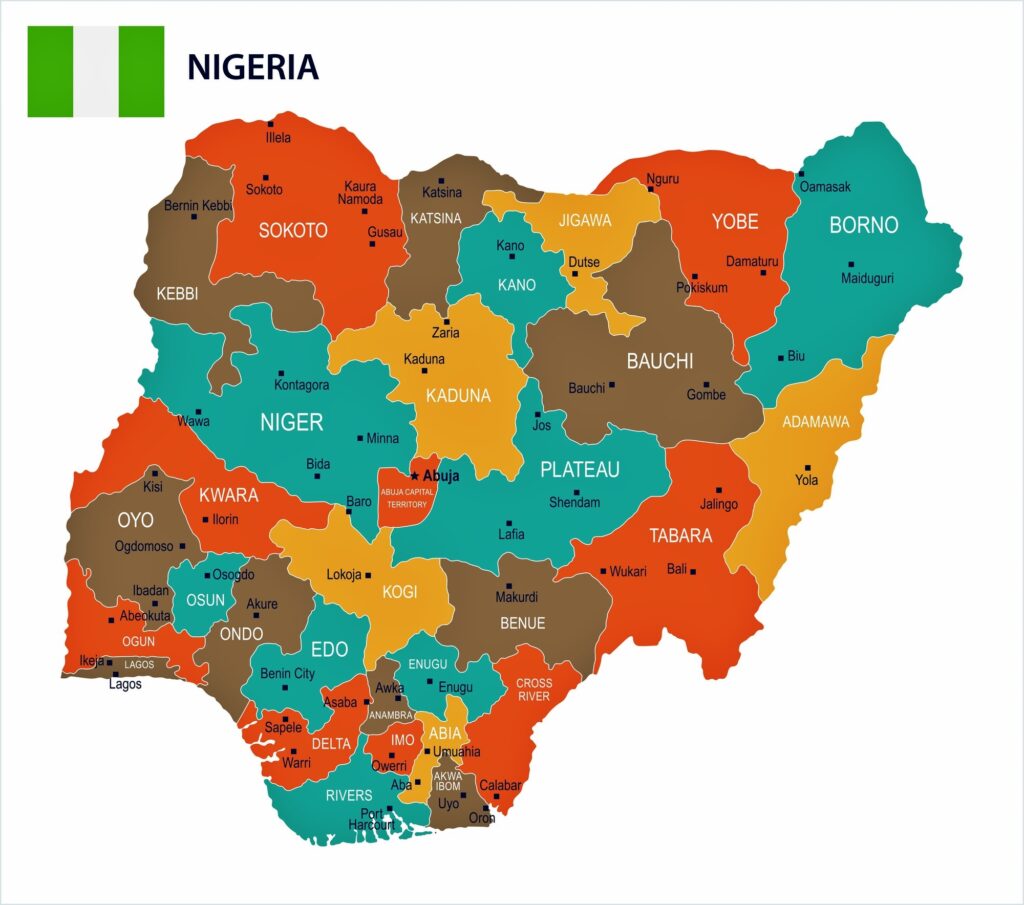
Nigeria Is a Collection of Markets, Not a Single Playing Field
The first mental shift investors must make is abandoning the idea of “the Nigerian market” as one unified space.
Nigeria behaves more like a network of regional commercial ecosystems, each with its own logic, power brokers, and buying behavior. Lagos alone contains multiple micro-markets: formal retail, informal trade, modern trade, wholesale distribution clusters, and direct institutional buyers – each requiring different approaches. Commercial cities such as Onitsha and Aba function as distribution engines for entire regions, while Abuja operates through institutional procurement, policy-driven demand, and relationship-based access.
A manufacturer that attempts nationwide coverage too early usually spreads resources thin, confuses distributors, and loses pricing control. Companies that succeed typically choose one or two entry points, master them operationally, and only then expand outward. Nigeria rewards focus before scale.
How Buying Decisions Actually Happen on the Ground
Many foreign strategies assume that Nigerian buyers behave like buyers elsewhere: evaluate specifications, compare prices, assess brand value, and decide rationally.
In reality, Nigerian buying decisions are shaped by a layered mix of trust, reliability, and risk management. Buyers – whether distributors, retailers, or institutional clients – are constantly managing uncertainty: supply disruptions, FX fluctuations, logistics delays, and inconsistent after-sales support.
As a result, they often prioritize:
- Suppliers who have proven they can deliver consistently
- Partners who respond quickly when problems arise
- Brands that are known within their trade network
- Vendors who understand local payment realities
It is not uncommon to see a technically superior product lose to a less sophisticated competitor simply because the competitor has a stronger reputation for reliability. Understanding this dynamic is essential. Nigeria does not punish quality; it punishes unreliability.
Regulation Is the Starting Line, Not the Finish Line
Regulatory compliance in Nigeria is important, but it is frequently misunderstood by foreign companies.
Approvals answer legal questions: Is this product permitted? Is it compliant?
They do not answer commercial ones: Who will sell it? How fast will it move? At what margin?
Many companies exhaust time and capital securing approvals, only to discover that no distributor is motivated to push the product, retailers are hesitant to stock it, or pricing has become uncompetitive after duties, logistics, and FX exposure are factored in.
Successful operators plan regulatory approval alongside distribution activation, pricing design, and demand creation – not sequentially, and never in isolation.
Distribution: Where Most Nigeria Market Access Plans Break
Distribution is where theory meets reality, and where many strategies quietly collapse.A common mistake is assuming that signing a distributor agreement equals market access. In practice, distributors in Nigeria often carry multiple competing brands, prioritize whichever product turns fastest, and deprioritize those that require education or effort.
Exclusivity agreements, when introduced too early, frequently backfire. Without performance benchmarks, reporting requirements, and incentive alignment, exclusivity can create complacency rather than commitment.
Manufacturers that succeed treat distribution as an actively managed system. They monitor sales velocity, demand regular reporting, adjust incentives, and remain close to the market rather than outsourcing responsibility entirely. In Nigeria, passive distribution almost always leads to passive results.
Pricing, FX Exposure, and the Margin Reality Few Forecasts Capture
Nigeria’s foreign exchange environment adds a layer of complexity that many expansion models underestimate.
A price that looks attractive at headquarters can quickly become unviable once currency movements, import costs, port charges, distributor margins, and retail mark-ups are applied. When pricing breaks, distributors often respond by cutting corners, delaying payments, or quietly disengaging.
Companies that perform well design pricing with shock absorption in mind. They build flexibility into margins, localize parts of the value chain where possible, and avoid structures that collapse under currency pressure. Nigeria rewards resilience more than precision.
What Consistently Works: Patterns from the Field
Across sectors – FMCG, industrial goods, healthcare, technology – certain patterns repeat among companies that gain traction:
They enter in phases rather than all at once, often piloting in one region before expanding. They invest in on-ground execution teams who understand both the local context and the parent company’s expectations. They treat distributors as partners but manage them with clarity and accountability. They listen closely to market feedback and adjust faster than competitors.
These are not abstract strategies. They are operational disciplines developed through experience.
Market Access in Nigeria Is a Living System
One of the biggest misconceptions is treating market access as a one-time project. In reality, it is an ongoing system that must evolve with the market. True market access integrates compliance, distribution, commercial structuring, operations, and trust-building into a single execution framework. When one element weakens, the entire system feels it.
This is where many advisory models stop short. At OneStopAdvert, market access is approached as an operating system — designed not just to enter Nigeria, but to function sustainably within it.
Why Failures in Nigeria Are Often Quiet
Most market failures in Nigeria do not end in dramatic exits. They fade slowly.
Sales plateau. Partners lose enthusiasm. Costs rise. Leadership attention shifts elsewhere. By the time issues are addressed, market position has already eroded.
Nigeria is not uniquely difficult. It is simply intolerant of weak execution.
Questions Serious Decision-Makers Should Be Asking
Before committing capital or expanding operations, investors and manufacturers should reflect deeply:
Where will demand come from first, and why?
Who controls access to those buyers?
How will distribution performance be measured and enforced?
How resilient is pricing under FX stress?
Who is accountable for execution on the ground?
Clear answers to these questions matter more than optimistic forecasts.
Final Perspective
Nigeria remains one of Africa’s most compelling long-term markets. Its scale, entrepreneurial energy, and regional influence are real. But success belongs to those who approach it with humility, structure, and execution discipline.
The opportunity is not the challenge.
Execution is.
If Nigeria is part of your growth roadmap, we encourage you to share your questions, assumptions, or concerns in the comments. And if you need end-to-end support – from entry strategy to active market execution – the team at OneStopAdvert is ready to help you turn insight into performance.
Nigeria rewards preparation.
The market rewards operators who stay.