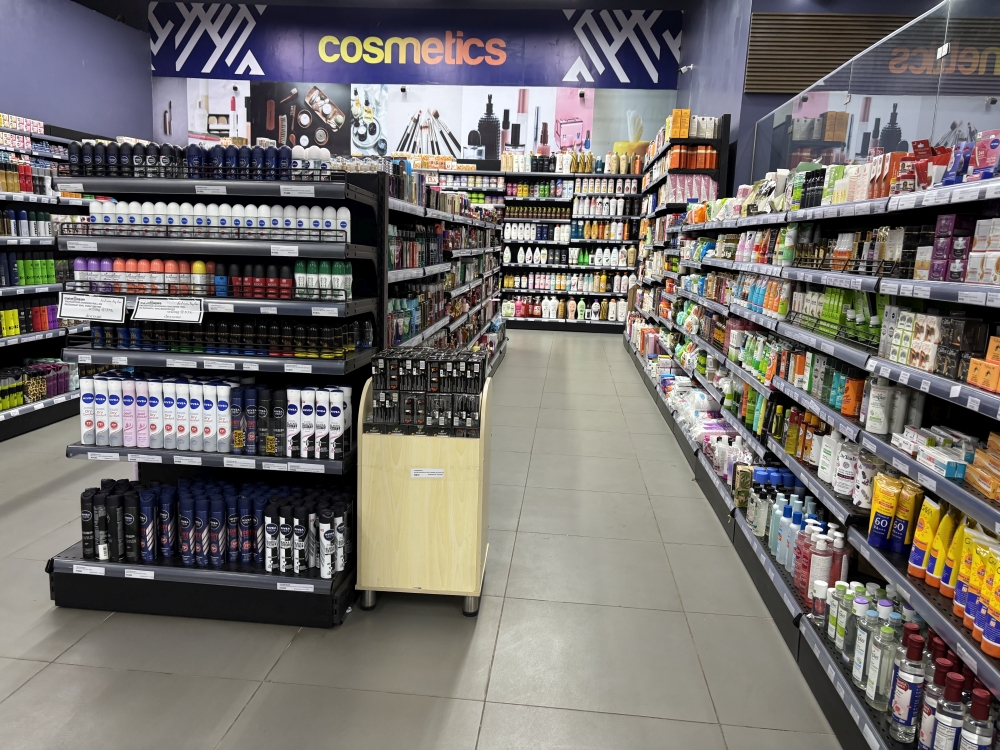
For many manufacturers, few things are more discouraging than seeing their products sitting on supermarket shelves-gathering dust, losing freshness, or expiring quietly without generating profit. It is a painful reality in both local stores and international supermarkets across the UK, US, Canada, Dubai, and other markets where and stores.
This problem destroys more businesses than people realize. When stock expires, the loss is not only financial. It affects brand reputation, retailer confidence, customer trust, and your ability to scale into new markets. Some SMEs have shared stories of walking into a store, seeing two-year-old stock still sitting untouched, and realizing the store never reordered simply because the product never moved.
The truth is simple: products rarely expire because they are bad. They expire because something in the export or distribution process was done wrongly. After decades working with African, Asian, and global brands, the patterns are clear—and they are all preventable.
The good news is that you can stop this cycle. With the right structure, your products can move quickly, stay fresh, and create steady reorders that keep your business alive and growing.
Why Products Really Expire on Shelves
- Expired stock is not just a “sales problem.” It is usually the result of deeper structural issues. Many SMEs export or supply supermarkets without understanding the demand in that location, the taste profile of customers, or the competition they are up against. A snack that sells in Lagos may not match the preference of customers in Manchester. A skincare product popular in Nairobi may not survive winter conditions in Canada without reformulation.
- Packaging quality is another major factor. Many stores quietly reject or hide products with labels that fade, bottles that leak, fonts that are too small, or packaging that gets damaged during transit. If the product does not look premium next to international competitors, customers ignore it.
- Stock also expires when too much quantity is supplied at once. Many SMEs ship large volumes to “save shipping cost,” but end up overcrowding shelves. If a product cannot finish within its lifespan, it will die on the shelf.
- The final cause is simple store behaviour. Some stores do not promote products, do not rotate them properly, forget to reorder, or place them in low-traffic corners. Without monitoring, communication, or agreements, the supplier remains blind until the damage is done.
Why the Problem Has Become More Common
The retail landscape has changed. Store competition is higher, margins are tighter, and customer expectations are more demanding. Imported products are increasing, and stores prefer brands that offer marketing support, stable supply, and strong packaging.
Many exporters enter markets without proper agreements, without sales reporting, and without clarity on who is responsible for stock rotation. In the absence of structure, stores focus on products that move quickly – and brands without systems become the easiest to neglect.
This is why more SMEs are seeing their products expire abroad today than ever before.
What Actually Works: The System That Keeps Products Moving
The brands that succeed do not rely on chance or hope. They build simple, predictable systems that force movement and ensure stores treat their products professionally.
- One of the biggest success factors is sending smaller test quantities before scaling. Instead of flooding the shelves, they ship in batches, learn from customer response, adjust flavour, packaging, or pricing, and then increase supply gradually.
- They also invest in packaging that looks and feels international. Stronger labels, clearer expiry dates, better sealing, vibrant printing, and sturdy materials go a long way. Customers abroad judge products by appearance first, and brands that look premium move faster.
- Another major difference is that successful SMEs monitor their stock actively. They request basic monthly reports, track sales with simple tools, or work with partners that monitor shelf activity for them. This visibility prevents surprises.
- Most importantly, they support stores with marketing. When customers see a product online repeatedly, walk into a supermarket, and recognize it instantly, the product moves. Simple online campaigns, in-store sampling, and product displays create momentum that turns into reorders.
What SMEs Often Do Wrong
Many businesses unintentionally weaken themselves with decisions that look simple but carry long-term consequences.
They send products without understanding the demand. They choose partners who lack structure. They ship too much stock in one batch. They depend on a store’s internal traffic instead of driving their own. They use packaging that cannot survive international logistics. They fail to monitor what is happening on the shelves. And they depend entirely on trust rather than systems.
When these mistakes compound, even great products sit untouched until they expire.
Insights From Working With Global Retail Chains
Across markets in Africa, Asia, the Middle East, and the West, the brands that succeed all share similar habits. They take packaging seriously. They test markets in phases. They create agreements that define responsibility. They set supply cycles that prevent oversupply. They use data instead of assumptions. They track inventory. They partner with structured distributors. And they market consistently.
These systems are simple, practical, and affordable – and they transform how supermarkets treat your product. When your brand shows structure, supermarkets become more responsible, more responsive, and more committed to keeping your product moving.
Final Thoughts
Products expiring on shelves is not a fate you must accept. With better packaging, clearer agreements, stronger market understanding, and smarter supply strategies, your stock can move faster and create repeat orders every month. Your brand deserves visibility, momentum, and consistent growth both locally and internationally.
You do not need to struggle alone. You can work with partners who understand distribution, retail behaviour, export requirements, and international shelf management. With the right support, your product can shift from “expiring on the shelf” to “selling out repeatedly.”
Ready to Make Your Products Sell Faster – Locally or Internationally?
If you want expert support to:
- improve your packaging for export
- select the right markets and stores
- prevent expiry and overstocking
- set up monitoring systems
- create agreements that protect your business
- build a structure that guarantees continuous sales
you can request a free strategy session with OneStopAdvert expert team.
Let us help you make your product move faster, sell out consistently, and become a brand that stores respect and reorder.
Contact us now and take the next step toward building a stronger, more profitable distribution system.